Room height can rule some options in or out quite quickly. A suspended design that suits a tall interior may feel oversized in a lower space, while a compact fixture can look lost when there is a lot of height above it.
When comparing indoor lighting, check the size, drop, and overall shape of each option against the room’s proportions.
Lower Rooms Usually Need a Compact Option
Low-profile products are often easier to work with where headroom is limited.
Downlights and oyster lights sit close to the surface above, so they do not take up much visual space. This can help keep smaller rooms feeling open.
A suspended design may still work, but the drop needs to be kept under control. If it hangs too low, it can make the room feel crowded even when there is enough clearance underneath.
Standard Heights Give You More Flexibility
Most homes with standard-height rooms can handle a wider range of styles.
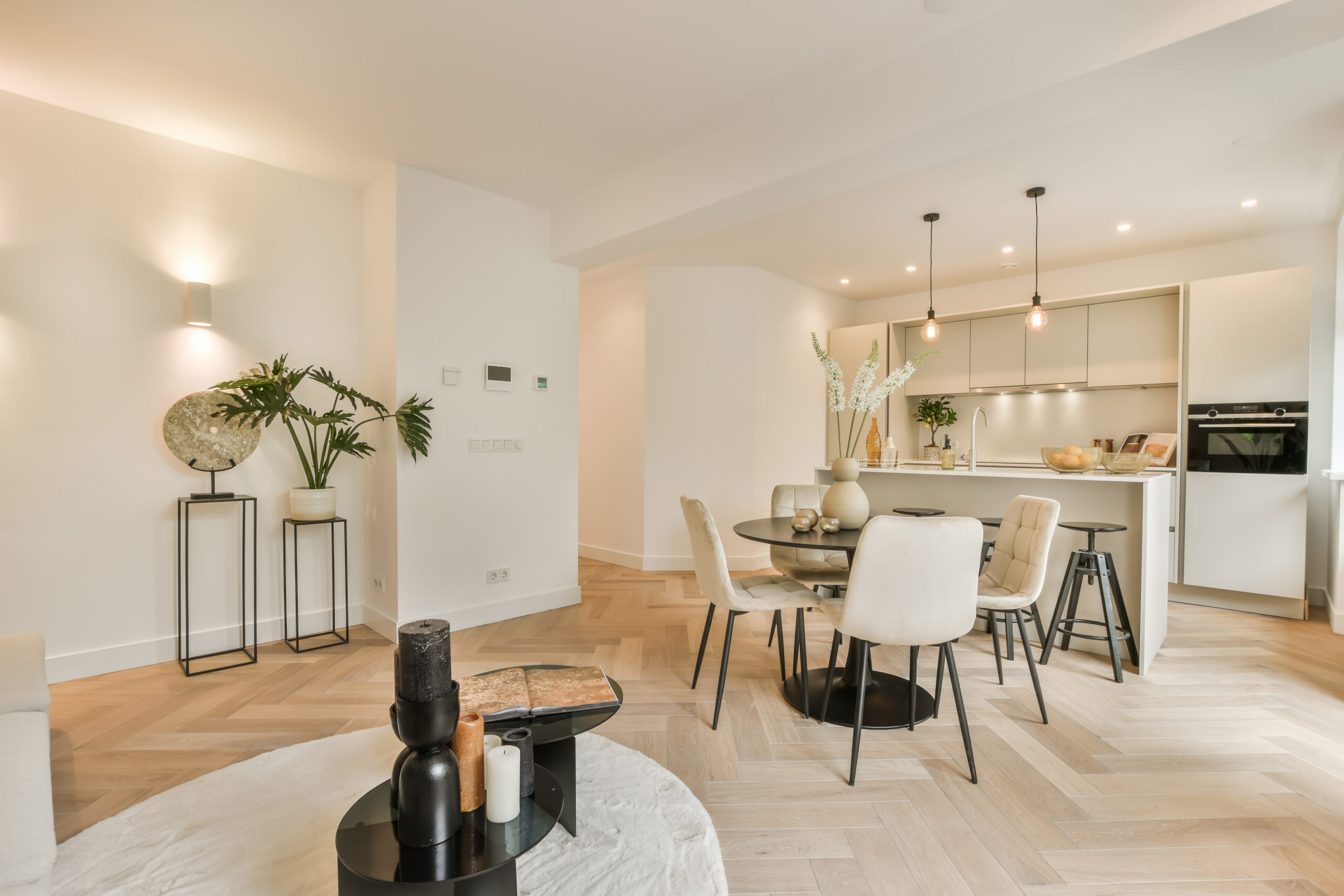
Downlights, oysters, spotlights and smaller pendants can all work, depending on the look you want.
The main thing to judge is scale. A fixture that is too large can dominate the room, while one that is too small may barely register once installed.
Taller Rooms Can Handle More Visual Weight
Higher spaces give you more freedom to use larger or more decorative designs.
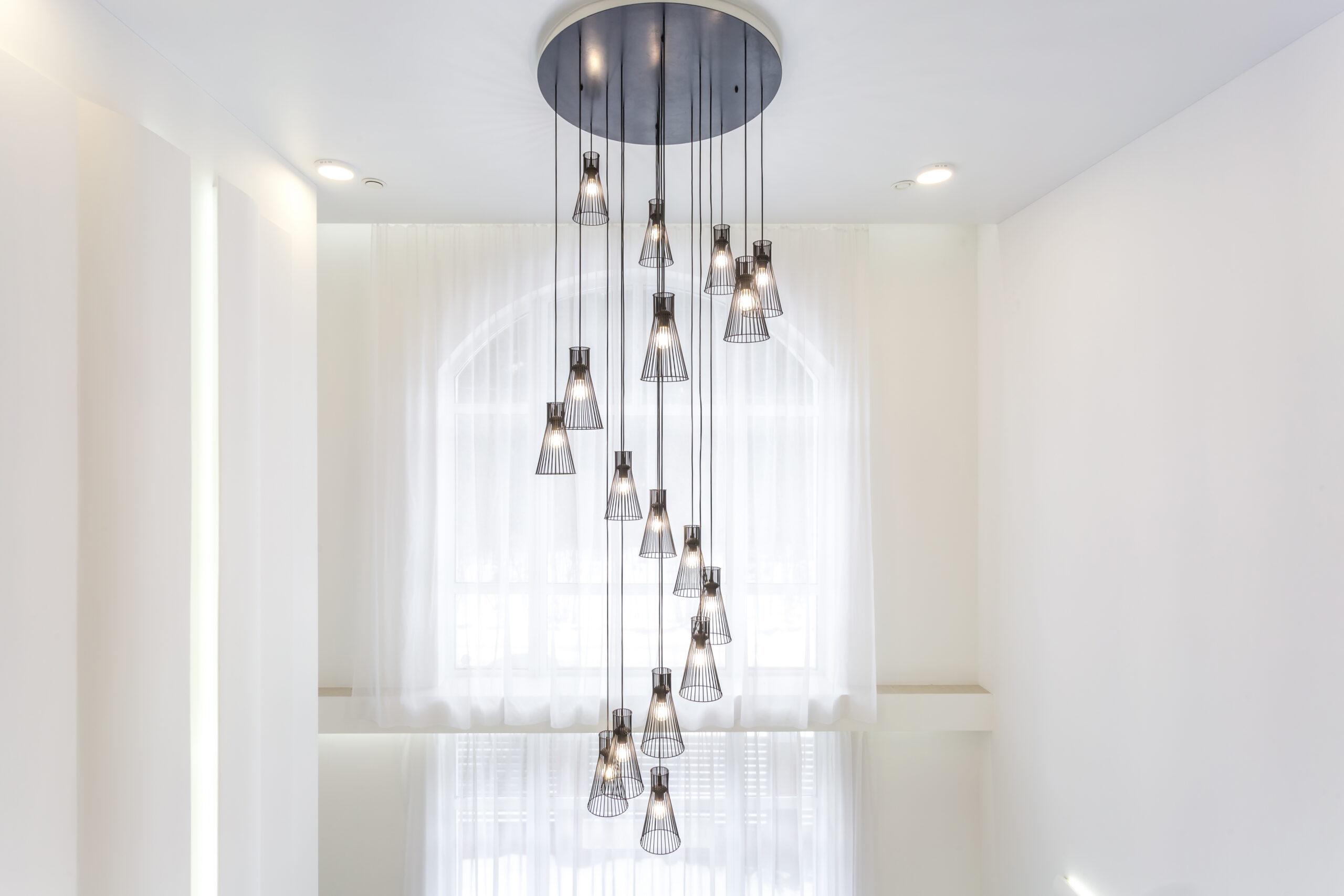
A pendant or linear pendant can sit comfortably with a longer drop because there is more room around it. This can help bring the fixture into proportion with the rest of the interior.
Very small products can still work, but they may not have enough presence if the space above is generous.
Sloped Ceilings Need Extra Attention
Raked or angled ceilings can limit which products are suitable.
Some suspended designs work well because they hang vertically. Other options may need a suitable mounting surface or a different installation approach.
Spotlights can also be useful where you need to direct illumination from an angled surface.
Always check that the product is suitable for the ceiling type before ordering.
Size Matters as Much as Style
A design can suit the interior and still feel wrong if the proportions are off.
This is especially noticeable with pendants and larger feature pieces. The width, depth and overall drop all affect how much space the product occupies.
Before buying, check the dimensions against the room rather than relying on the product image alone.
A simple measurement on site can give you a much clearer idea of how large the fixture will feel once installed.
Check the Hanging Length Before Choosing a Pendant
The drop is one of the most important details with suspended lighting.
Some designs sit fairly close to the ceiling, while others are meant to hang much lower.
In a taller room, a longer suspension can help the fixture feel better connected to the space below. Where height is limited, a shorter drop is usually easier to work with.
The shade is only part of the final look. The cord, rod, canopy and full hanging length all matter.
Compare the Product With the Actual Room
Scale is easier to judge when you use the dimensions of the space you already have.
Check the room height, the width of the product and how far it projects or hangs down. This is especially useful when comparing downlights, oysters, pendants and linear styles.
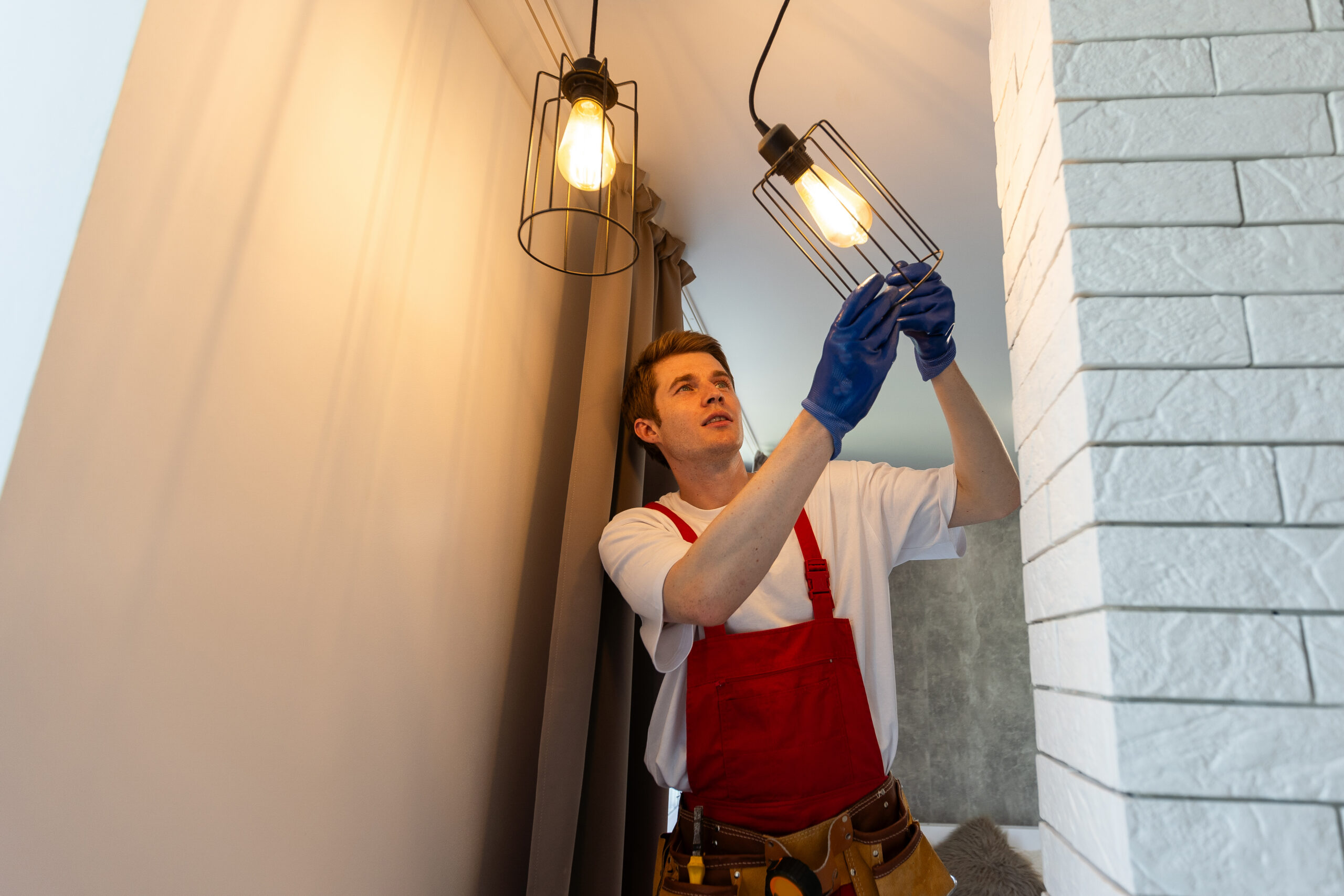
Fixed electrical products should also be installed by a licensed electrician, who can confirm the mounting and electrical requirements for the selected option.
Choose a Style That Suits the Height of the Space
Room height does not decide the design for you, but it does help narrow the shortlist.
My Home Mart offers a range of indoor lighting from its Thomastown store, including downlights, oyster lights, pendants, linear pendants and spotlights. Browse the range online or compare different sizes and styles in store before making your choice.