Outdoor lighting is much easier to get right when it is planned alongside the renovation, not after the exterior is finished.
Electrical points, wall positions, paving, landscaping and covered areas can all affect what can be installed later. Before browsing outdoor lighting, work out where light will actually be needed around the property.
Before the Plans Are Final, Mark the Areas That Need Light
Start with the places you will use after dark.
That usually includes the front entry, driveway, side access, garage, verandah and any outdoor entertaining area. Garden paths and landscaped zones may also need attention.
Do not choose products yet. At this stage, the main job is simply to mark where visibility will matter.
This gives the electrician and builder a much clearer picture of where power may be required.
Before Walls and Eaves Are Closed, Confirm the Mounting Points
Wall and ceiling positions should be locked in while they are still easy to access.
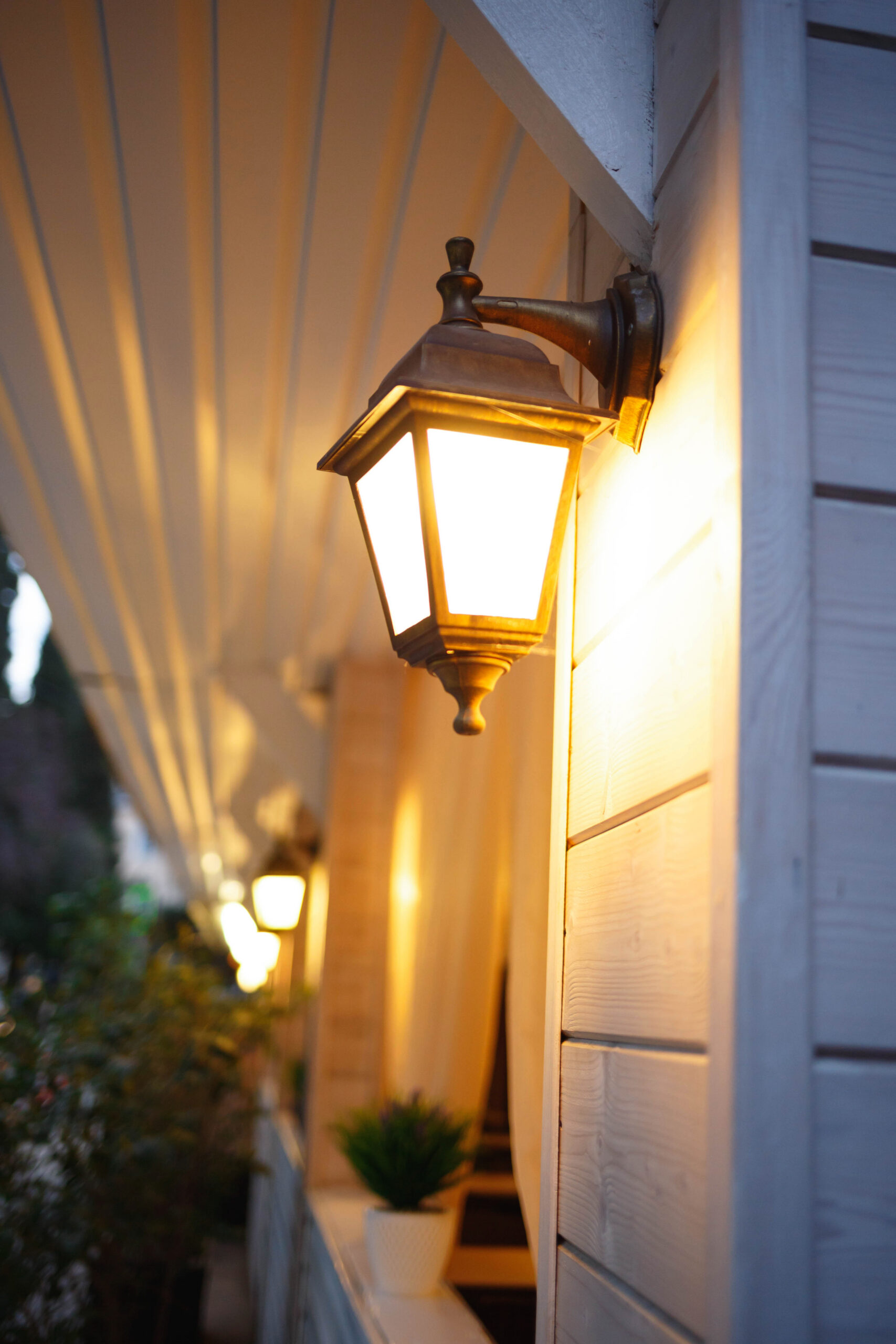
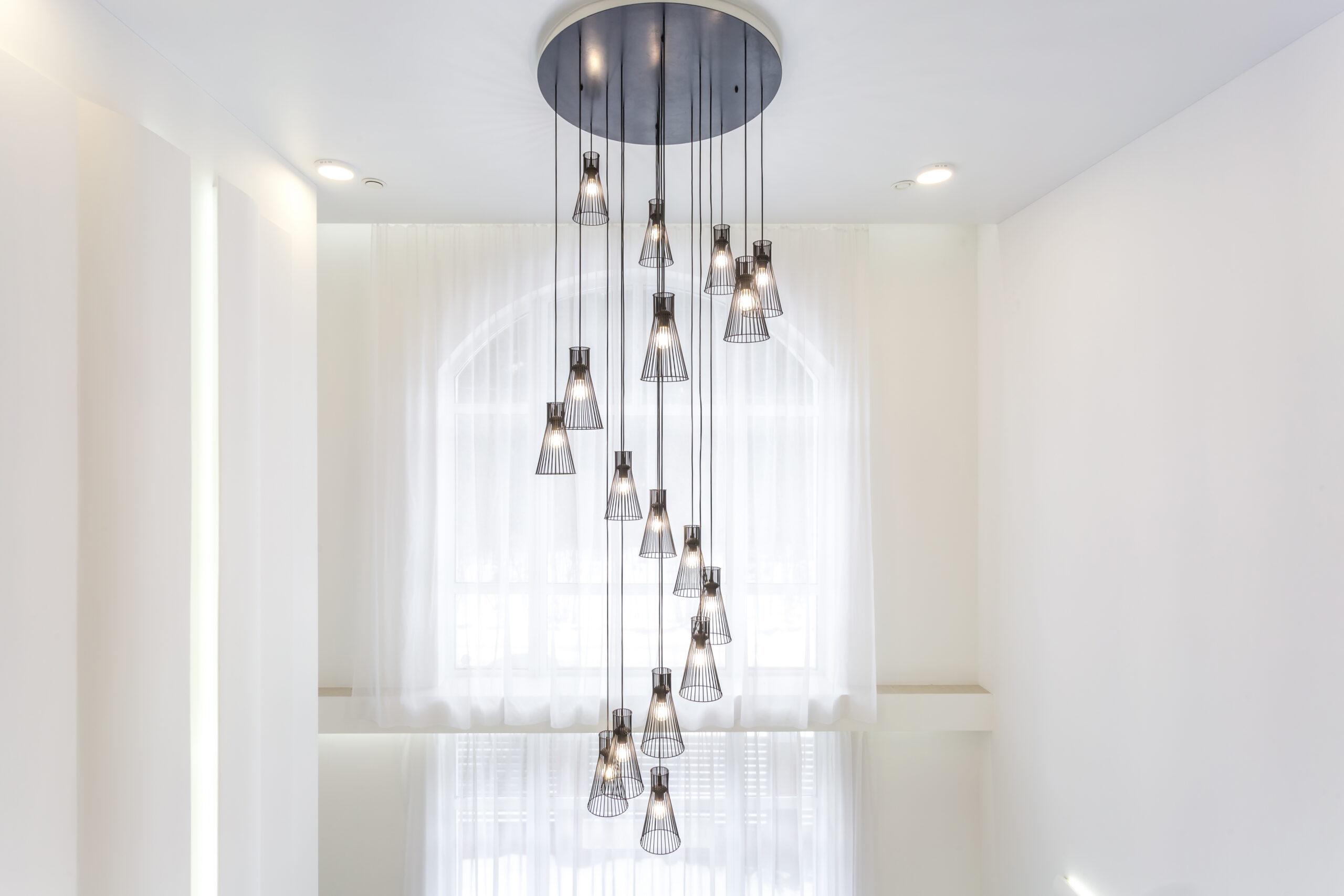
Exterior wall lights may be installed beside entrances, garages, or side doors. Covered verandahs and alfresco areas can also accommodate suspended options where there is sufficient height and a suitable ceiling point.
Check nearby doors, windows, downpipes and eaves before deciding on the final position.
A small change to the plan is easy at this stage. Moving an electrical point after cladding or plaster is finished is not.
Before Paving and Landscaping, Think About the Ground
Anything near paths, gardens or driveways should be planned before the ground is finished.
Post lights, spike lights and in-ground options may need cabling or preparation below the finished surface. If these are added later, paving or landscaping may need to be disturbed again.
Use the landscape plan to mark likely positions around:
- garden beds
- paths
- driveway edges
- entry routes
- feature planting
The exact product can come later. What matters first is making sure the area can support it.
Before Fit-Off, Decide How the Exterior Will Be Controlled
Switches and sensors should suit the way you enter and use the home.
A front entry may need straightforward control from inside the door. Side access or a driveway may be better suited to a sensor. An alfresco area may need its own switch rather than sharing control with the rest of the exterior.
Think about how these areas will actually be used at night.
This is also the time to confirm which lights should operate together and which should remain separate.
Before Ordering, Match the Product to the Location
Once the positions are fixed, product selection becomes much easier.
A covered porch, an open wall, and a garden edge all have different requirements. Check the dimensions, mounting style and stated outdoor suitability for the exact location.
For exposed positions, the product’s IP rating should also be checked rather than assuming every exterior design suits the same conditions.
This is where categories such as wall lights, coach lights, bunker lights, flood lights, post lights, spike lights and other exterior options become useful. You are no longer choosing from the whole range. You are choosing a position that has already been planned.
Use the Renovation to Avoid Retrofitting Later
The main advantage of planning early is simple: fewer compromises after the project is finished.
Once walls, paving, and landscaping are complete, adding another electrical point can mean extra work. Planning ahead gives you more freedom to choose suitable products later without reopening finished parts of the property.
My Home Mart offers outdoor lighting from its Thomastown store, with options for entrances, exterior walls, covered areas, gardens and other parts of the home. Browse the range once the main positions and electrical requirements for your renovation have been confirmed.